



The Greater Manchester Police Museum and Archives: Accessibility Review.
- Annelise Pilkington
- Jul 17
- 5 min read

Updated: 6 days ago
Today we visited the Greater Manchester Police Museum and Archives.
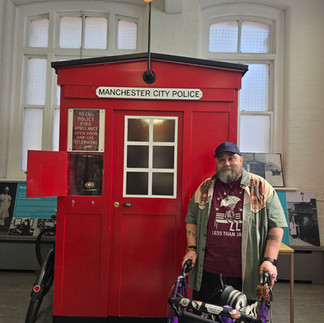
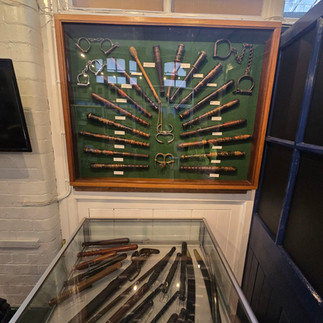
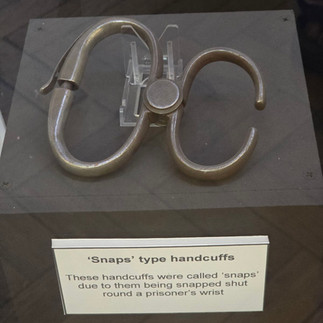
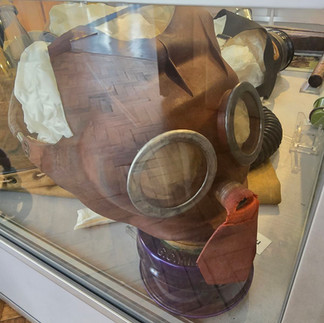
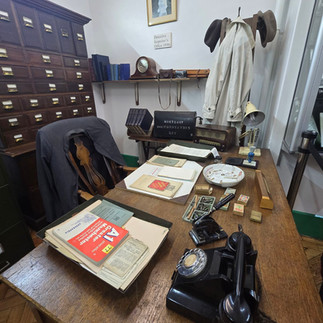
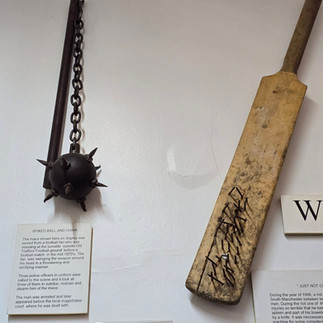
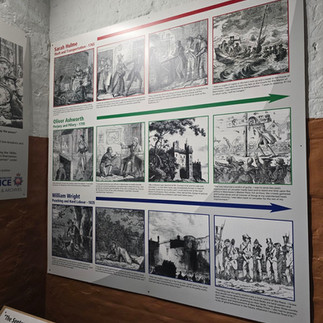
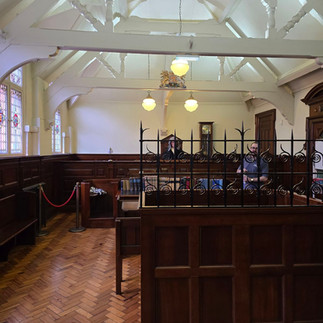
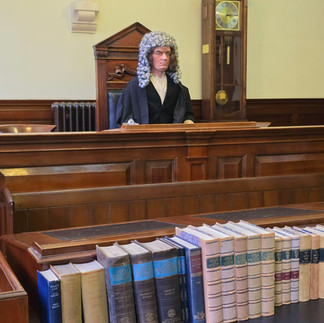
We've been waiting for a free Tuesday to be able to go here for weeks. Why Tuesday? Well, the museum is only open to the general public for free on Tuesdays from 10:30-4, on the other days it's open to private tours. The volunteers who staff the museum are all ex-police officers and so they come with a wealth of knowledge and experience. Inside you can learn about the history of policing in the Greater Manchester area with a real focus on policing during the Victorian times. You can see the evolution of the uniforms and tools worn and used by the police through the ages and even a reconstructed magistrates court room. But, the bits that particularly interested us were the Crime Room and Prison Cells.
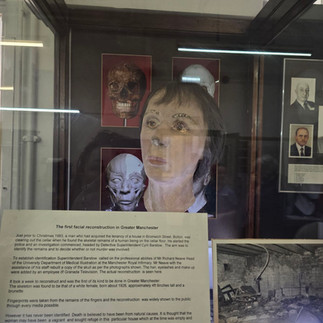
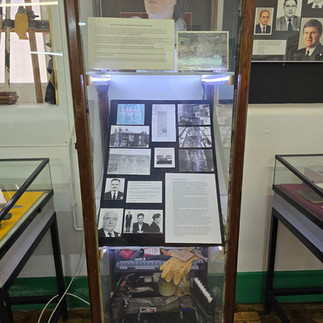
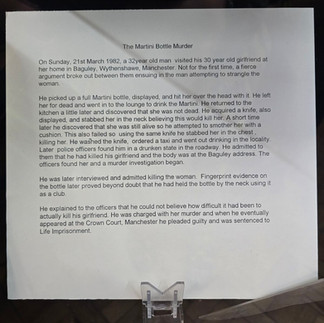
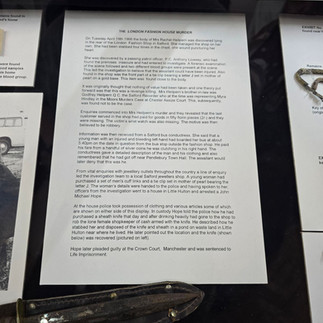
The Crime Room shows information and evidence from some notorious historical murder investigations such as the 1966 London Fashion House murder, the 1982 Martini Bottle murder and the 1962 Jigsaw murder. You can see case notes, photographs and evidence such as dried blood and murder weapons used and learn about the sentences for those convicted.
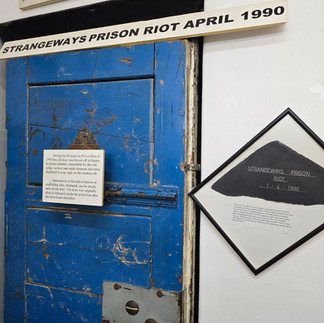
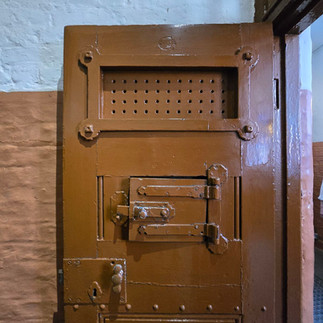
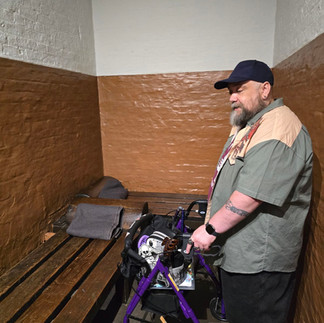
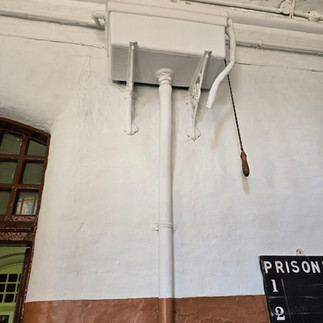
The Prison Cells are original installations from 1879 (with the addition of electric lighting). Inside the cells you can see the beds the prisoners slept on, including the wooden pillows. The cells were used to accommodate 12-16 people at a time and had a single toilet inside with no privacy. The cells were still in active use until 1979. Interestingly the flush for the toilet was outside the cells. Prisoners would push a button and a police officer would come and flush the toilet.
🎟️ Booking.
There is no pre-booking required as tickets are free!
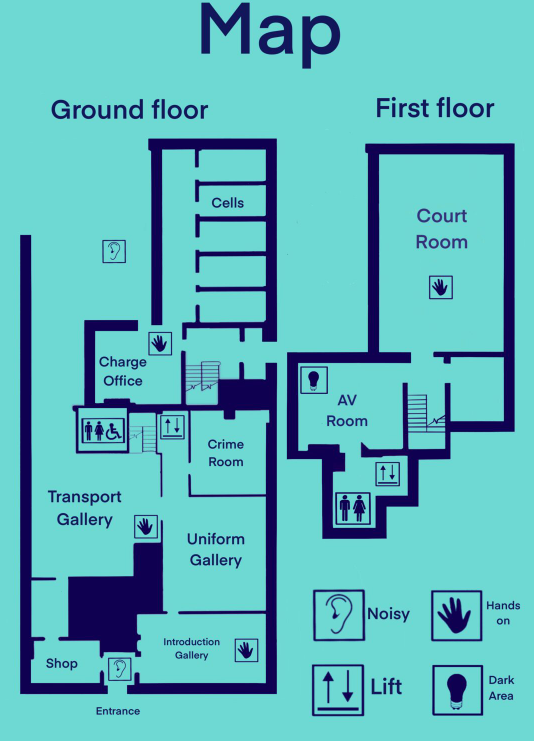
ℹ️ Accessibility Information Availability.
There is so much accessibility information on the website! Honestly, this is one of the most comprehensive accessibility guides we've come across. The access map gives a really simple, easy to understand "real life" impression of the museum. There were so many staff members, every single one of them that we went passed made sure to tell us that when we were ready to go upstairs to just speak to someone and they would happily take us up in the lift. Honestly, it was a masterclass in making information available.
🚗 Parking.
The museum has no parking of its own and the nearest parking is in the form of on street pay and display parking. We drove around a little and couldn't find anything so decided to check the rules on parking on double yellows with a blue badge for up to 3 hours and found that so long as access isn't blocked and there are no loading restrictions it was allowed. Parking in this manner meant we were able to park roughly 10m from the entrance. There were no EV chargers nearby that we could see.
🩼 Mobility.
The ground floor has level access to the front and a ramp at the back to access the cells. There is lift access to the first floor court room. Once upstairs, the lift exits into a hallway. From there you go into another room where there are either 3 steps to go down, or there is a small lift that can be used. This area is also used by staff for breaks, they were very welcoming and helped Bob use the lift. We opted for the stairs when we were heading back down to the ground floor and two staff members stood up and offered to help lift the rollator.

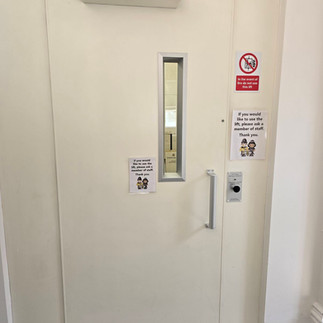

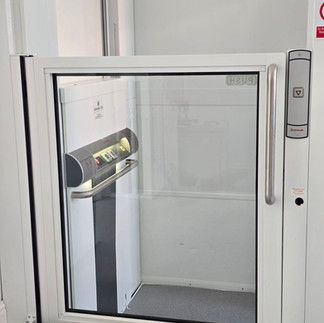

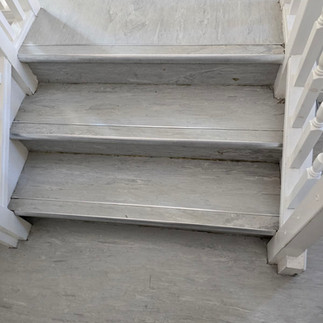
The door to the lift. The smaller lift. The 3 steps.
The floor is mostly smooth. The courtyard that's crossed to reach the prison cells is cobbled. The cells have metal grates, and a channel that runs in front of the doors that was a little awkward to get the rollator over.
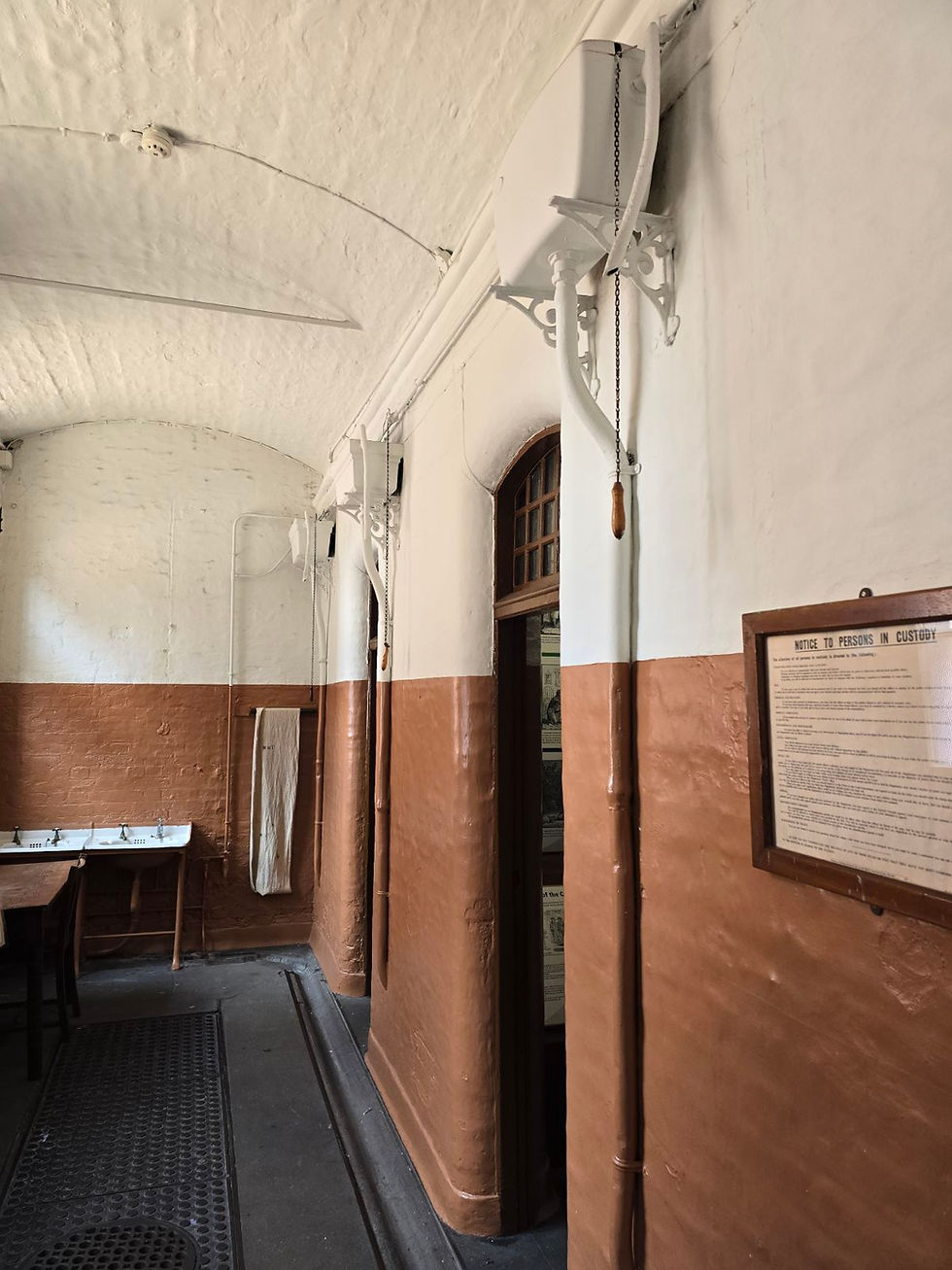
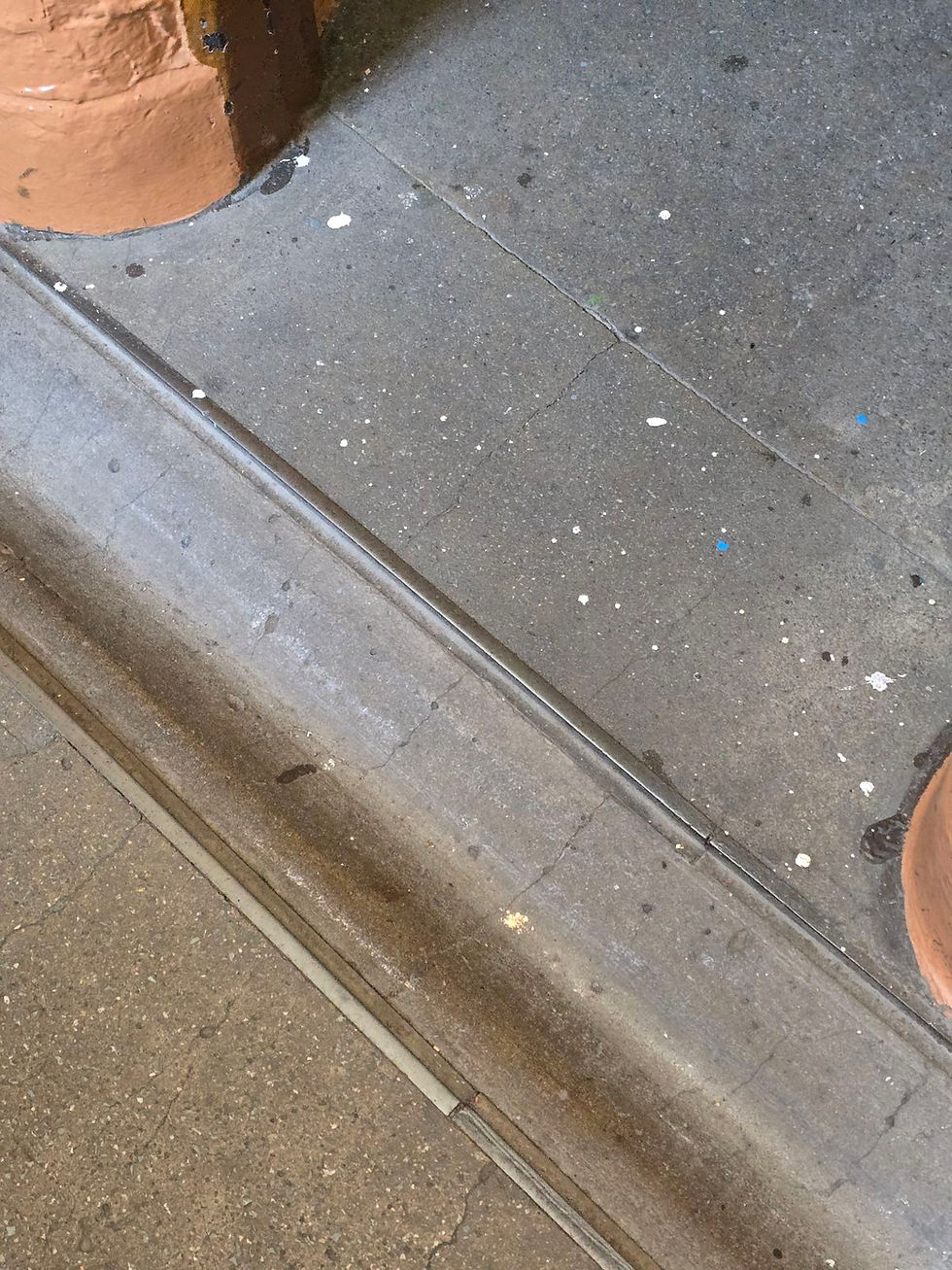
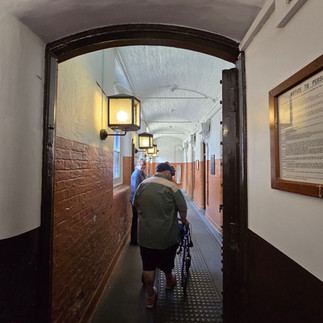
The entrance to the prison cells is tight, but was managed easily by Bob with his rollator.
Aside from these things, the entire museum was easily navigable using the rollator.
We did ask whether they had wheelchairs available to hire and they don't. They used have a wheelchair to but they deteriorated as it wasn't being used and so they never replaced it.
🎧 Sensory.
There are no sensory packs available to hire. They do offer a visual story to help familiarise visitors with what to expect at the museum. The site was quite loud due to there being groups of visitors and tours going on. If noise is a challenge, it may be worth wearing loops or headphones to reduce some of the sound. The lights are bright inside. There are no flashing images.
It's worth mentioning that if you are visiting with children, there are backpacks with activities in to borrow to help keep them entertained.
🚽 Toilets.
There is an accessible toilet on the ground floor in the large main room of the museum. It does not require a RADAR key to use.
There isn't a Changing Places toilet on site, however, the website states that the nearest Changing Places facility can be found at the Arndale Centre 0.4 miles away.
☕️ Food and Drink.
There isn't an onsite cafe for food or drink but being in Manchester City Centre, there are plenty of places to eat and drink in the nearby area.
🪑 Rest Opportunities.
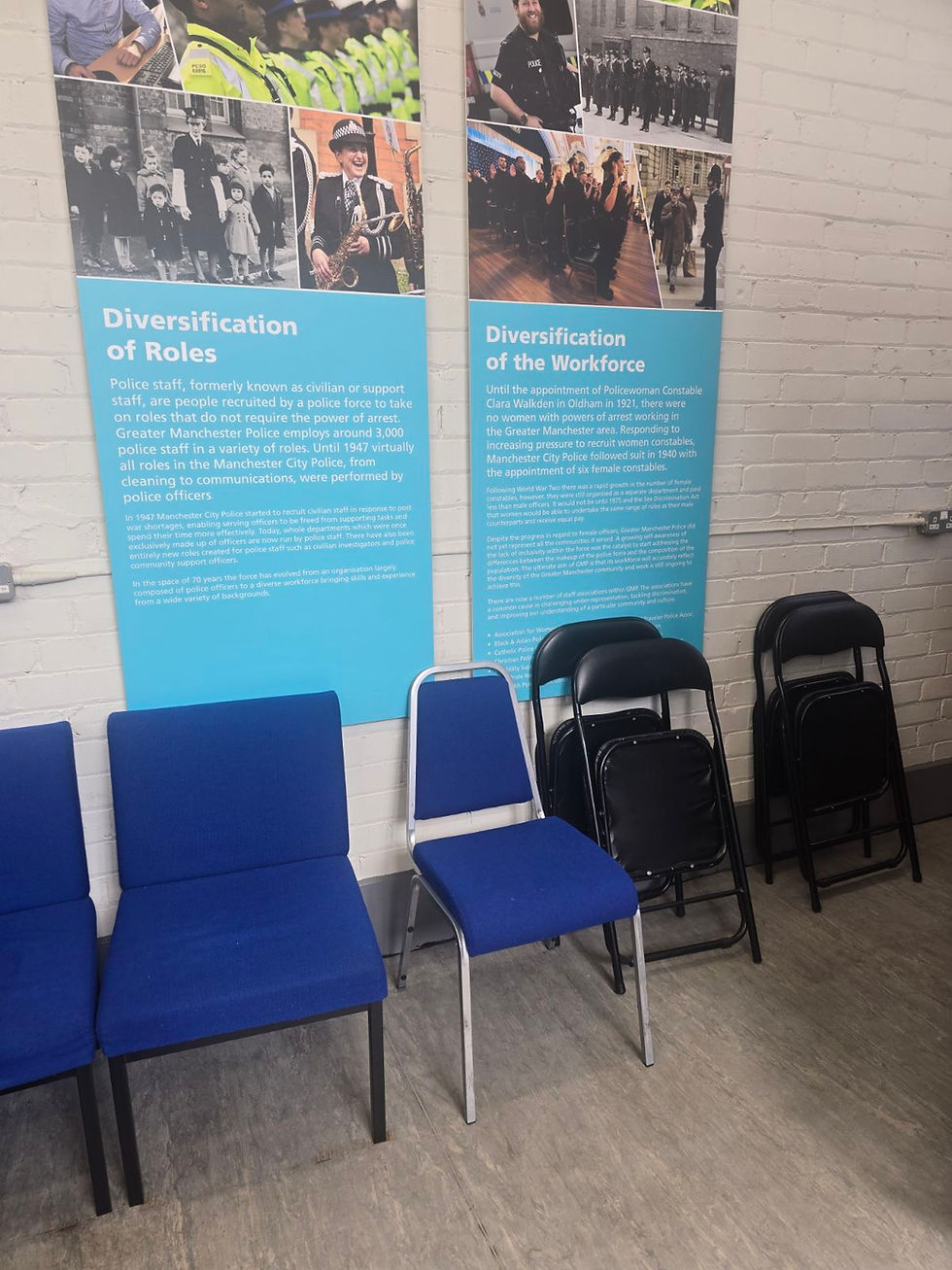
There are chairs available to use in every section of the museum. Upstairs in the courtroom, visitors are welcome to sit on the benches.
🦻 Hearing Assistance.
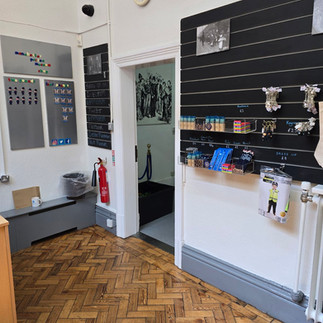
There is a portable hearing loop available to borrow from the gift shop. One of the staff members is also certified in BSL L2. There are a lot of signs around the museum to offer more information on the exhibits.
📖 Visual Support.
On the website, it states that if visitors wish to have a tactile tour to get in touch with them to discuss their requirements: police.museum@gmp.police.uk. Otherwise, there is no mention of Large Print or Braille guides on the website, and neither of us noticed any as we were walking around. Anyone can book a tour for a group for free where they will have the museum to themselves. I would suggest it would be worth contacting the museum and seeing this is something that could be done for users with additional visual needs.
🐕🦺 Assistance Dogs.
Assistance dogs are welcome in the museum.
Our verdict.
We were really impressed with the GMP museum. Whilst there were some things lacking, the willingness of staff to help and the amount of information available on the website was fantastic. The addition of some Large Print and Braille guides would have made this a perfect 5, but we understand that for some visitors, this would negatively impact their visit. So for that we are giving it a 4! I would also suggest that given how accommodating the staff are, if you have any concerns or questions it would certainly be worth emailing police.museum@gmp.police.uk to see if they can help.
So, if you have an interest in True Crime or Victorian policing, this is a must!
💀💀💀💀




























Comments